NEW HOME PROTECTION
One home. Different inspection points.
New Home Protection brings the inspection points for a new home into one clear sequence. Each visit documents a different stage or a defined follow-up, with its own scope and written record.
A sequence of independent inspections, not a warranty or a required four-visit package.
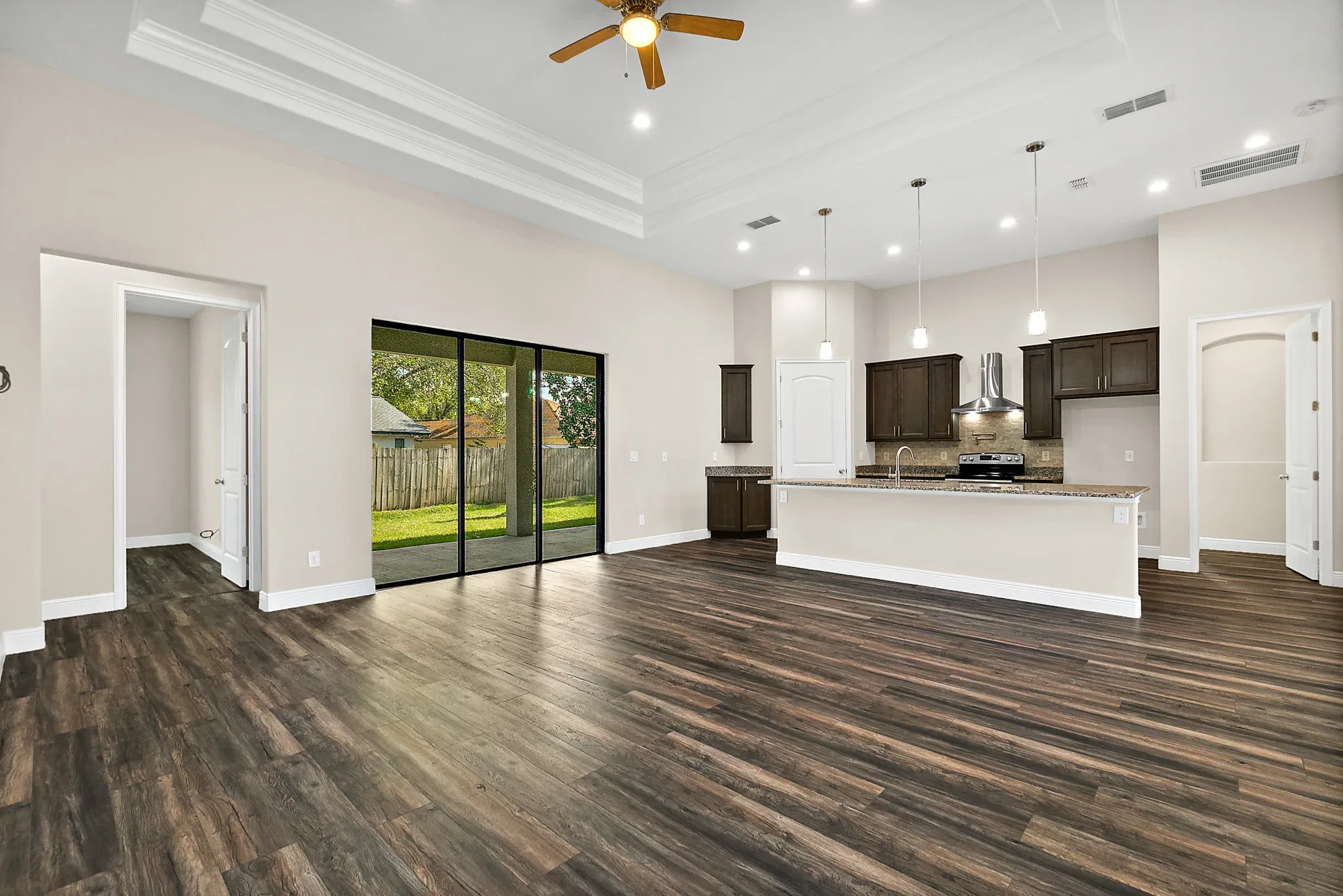
THE INSPECTION SEQUENCE
What each visit adds.
Different stages make different conditions available to observe. The value of the sequence is the distinction between those views, not a promise that every part of the home has been inspected continuously.
-
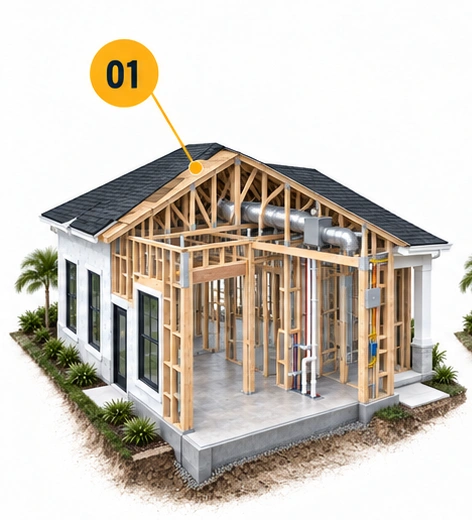
01 Pre-Drywall Inspection
BEFORE INSULATION AND DRYWALL
The exposed-construction view.
Documents visible framing and major rough systems while that work remains exposed and accessible. A later inspection cannot recreate this view after the work is concealed.
Explore Pre-Drywall -
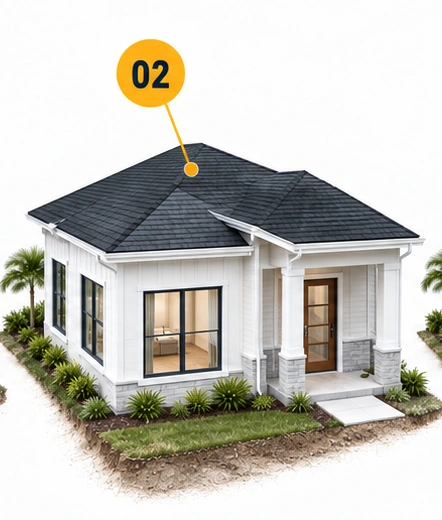
02 Final Inspection
BEFORE FINAL ACCEPTANCE OR CLOSING
The substantially completed home.
Documents visible and accessible conditions once construction is substantially complete. It adds a finished-home inspection point; it does not certify all of the work hidden behind the finishes.
Explore Final Inspection -
03 Reinspection
WHEN NEEDED · AFTER WORK IS REPORTED COMPLETE
A focused return to specified items.
Revisits agreed items from an earlier inspection and records their current visible condition and any limits on verification. It is separately arranged, rather than another whole-home inspection.
Explore Reinspection -
04 11-Month Builder Warranty Inspection
BEFORE APPLICABLE FIRST-YEAR WARRANTY DEADLINES
The home’s current condition in use.
Documents current visible and accessible conditions at a later inspection point. Check the applicable warranty dates and notice requirements rather than treating month eleven as a universal deadline.
Explore 11-Month Warranty
These are inspection points, not a required four-visit package. Reinspection is conditional and can follow more than one stage.
Need help choosing a stage? Compare new-construction inspection pointsNEW HOME PROTECTION AT A GLANCE
One home. Four different observation points.
The four views illustrate exposed construction, a substantially completed home, a focused return and a later inspection point. Each view represents a different inspection purpose.
Reinspection is separately arranged when needed. It can follow more than one stage.
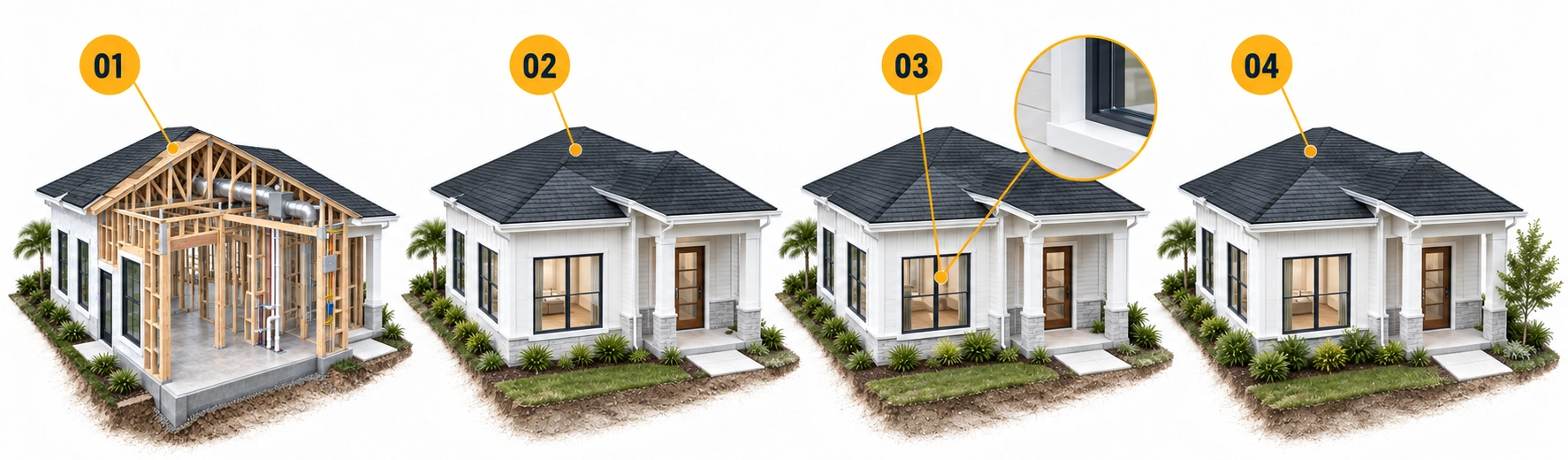
- 01 Pre-Drywall Inspection Before concealment
- 02 Final Inspection Substantially complete
- 03 Reinspection When needed · specified items
- 04 11-Month Builder Warranty Inspection Before applicable warranty deadlines
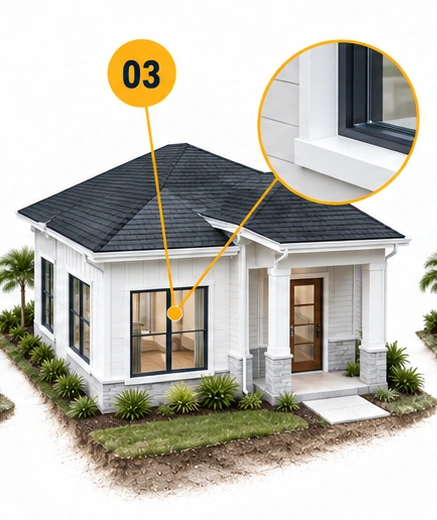
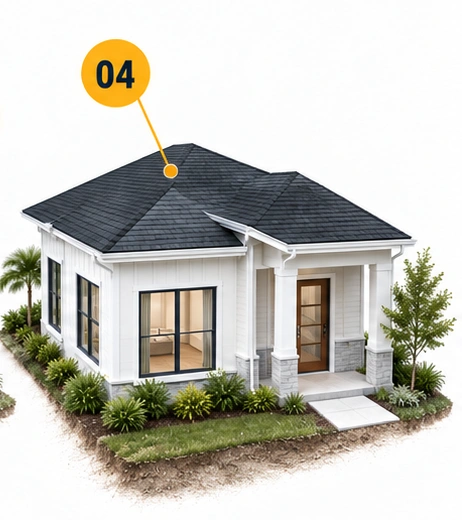
Each inspection records a different point in time. Later visits add current observations; they do not recreate concealed views or establish continuous monitoring.
Illustrative lifecycle only. Numbers identify inspection points, not systems or findings. The views are not an inspected property or a record of repairs, warranty coverage or conditions changing over time. Cutaway views do not imply access to concealed work. Not an engineering drawing or code certification.
REPORTS OVER TIME
Keep the earlier record. Understand the current one.
Reports from different visits can provide useful context when read together. Each report still describes its own inspection, with its own scope and limitations.
The earlier observation
An earlier report records what was observed at that visit. Its description and location can help identify a concern, but the record does not establish the condition of work that was outside the inspection or could not be seen.
The current observation
A later visit documents what can be observed now within its agreed scope. A focused reinspection does not update the condition of every system or replace the original whole-home report.
A supported comparison
A comparison depends on what the records actually show. A condition observed now does not, by itself, establish when it began, what caused it or whether it was present at closing.
Keep copies of your reports and related correspondence together. Earlier records provide context; they do not turn separate visits into continuous monitoring.
PLANNING YOUR INSPECTIONS
Plan around the home and the relevant dates.
Construction progress, permission, access and applicable deadlines shape the inspection window. Start coordinating before the opportunity to observe the relevant work has passed.
Construction and covering dates
Confirm the expected stage and when affected work may be concealed. For Final Inspection, confirm what will be installed and substantially complete rather than relying on a fixed number of days before closing.
Permission and safe access
While the builder controls the property, confirm requirements for an independent inspector to enter. Relevant areas and any systems needed for agreed checks must be safely available.
Time to review and act
Identify applicable acceptance, closing and report-sharing dates. Allow time to review findings and consider appropriate next steps. An appointment does not guarantee a builder response or correction before a deadline.
Your warranty documents
Check the relevant start dates, coverage periods, notice instructions and recipients. Keep your own record of those dates and submissions; an inspection booking is separate from the warranty process.
A concern has appeared? Report it when you notice it.
Follow the applicable reporting procedure rather than waiting for a later inspection. Urgent safety concerns or active damage need prompt attention.
SEPARATE SCOPES. CLEAR LIMITS.
Each visit has its own boundary.
A point-in-time inspection
A visit documents observed conditions at that inspection point. It does not provide continuous construction monitoring, supervise the builder or predict every condition that may appear later.
Visibility and access
Concealed work is not exposed by removing finished materials. Unsafe or unavailable areas and systems can limit evaluation. Visible unfinished work may still be documented; a limitation must not be treated as a satisfactory inspection result.
A report, not a guarantee
The inspection does not replace required permit inspections or certify engineering adequacy, code compliance or completion of the building contract. It cannot guarantee discovery of every defect, determine or enforce warranty coverage, or guarantee builder correction.
The inspection agreement for each visit will define its service-specific scope, exclusions and limitations. Witness Point does not perform or offer repairs on homes it inspects.
NEW HOME PROTECTION QUESTIONS
Before you plan the next visit.
Answers about separate inspections, earlier reports, focused returns and warranty deadlines.
Is New Home Protection a warranty?
No. It is the name for Witness Point’s new-home inspection sequence. The inspections document observed conditions; they do not provide warranty coverage or a repair plan. Coverage and notice requirements depend on the applicable warranty and law.
Do I need to arrange every inspection?
No. The appropriate visit depends on the home’s stage and the purpose of the inspection. Final and 11-Month inspections can be arranged without a previous Witness Point inspection. Reinspection has a different requirement: specified earlier items and a confirmed limited scope. The sequence is not a required four-visit purchase.
What if I missed the pre-drywall stage?
An inspection can consider what remains visible and accessible, but it cannot recover an open-wall view after the work is concealed. Once the home is substantially complete, Final Inspection is the relevant service to consider. It does not certify the concealed construction that was not observed earlier.
Does a later inspection replace the earlier report?
No. Each report records a different visit. Keep the earlier report, including its stated limitations, alongside any later report. A reinspection addresses its agreed items rather than updating the whole home. A later observation alone does not establish when a condition began or what caused it.
Is reinspection included in an earlier visit?
It is a separately arranged service, not automatically included in Pre-Drywall or Final Inspection. The items, access and limited scope for the return need to be confirmed in advance. A return is not needed for every home and is not another whole-home inspection.
Can a reinspection use another inspector’s report or a builder’s list?
The service is designed around specified items from an earlier Witness Point report. Another inspector’s report or a builder-only list needs separate review before the appropriate service and scope can be confirmed. Neither automatically qualifies as a reinspection.
How should I keep track of my warranty dates?
Check the relevant start dates, coverage periods and notice requirements in your warranty documents, and keep your own record of the deadlines. Do not assume every period starts at move-in or ends after one year. Report concerns through the applicable process when you notice them rather than waiting for month eleven.
Does an inspection report submit a warranty claim?
No. Receiving a report does not by itself establish that a warranty claim was submitted, received or accepted. Follow the applicable notice and submission procedure. Keep copies of what you send and any confirmation of receipt. Do not rely on an inspection booking or report to extend a deadline.
READY TO SCHEDULE?
Know what you are accepting before the decision is final.
Arrange the inspection that fits your home’s current stage or the specified items that need another look. Each visit has its own agreed scope.