REPAIR VERIFICATION / REINSPECTION
A focused return to the items that needed attention.
After work is reported complete, Witness Point revisits specified items from an earlier inspection and documents their current visible condition, including any limits on verification.
A separately arranged visit, not another full inspection.
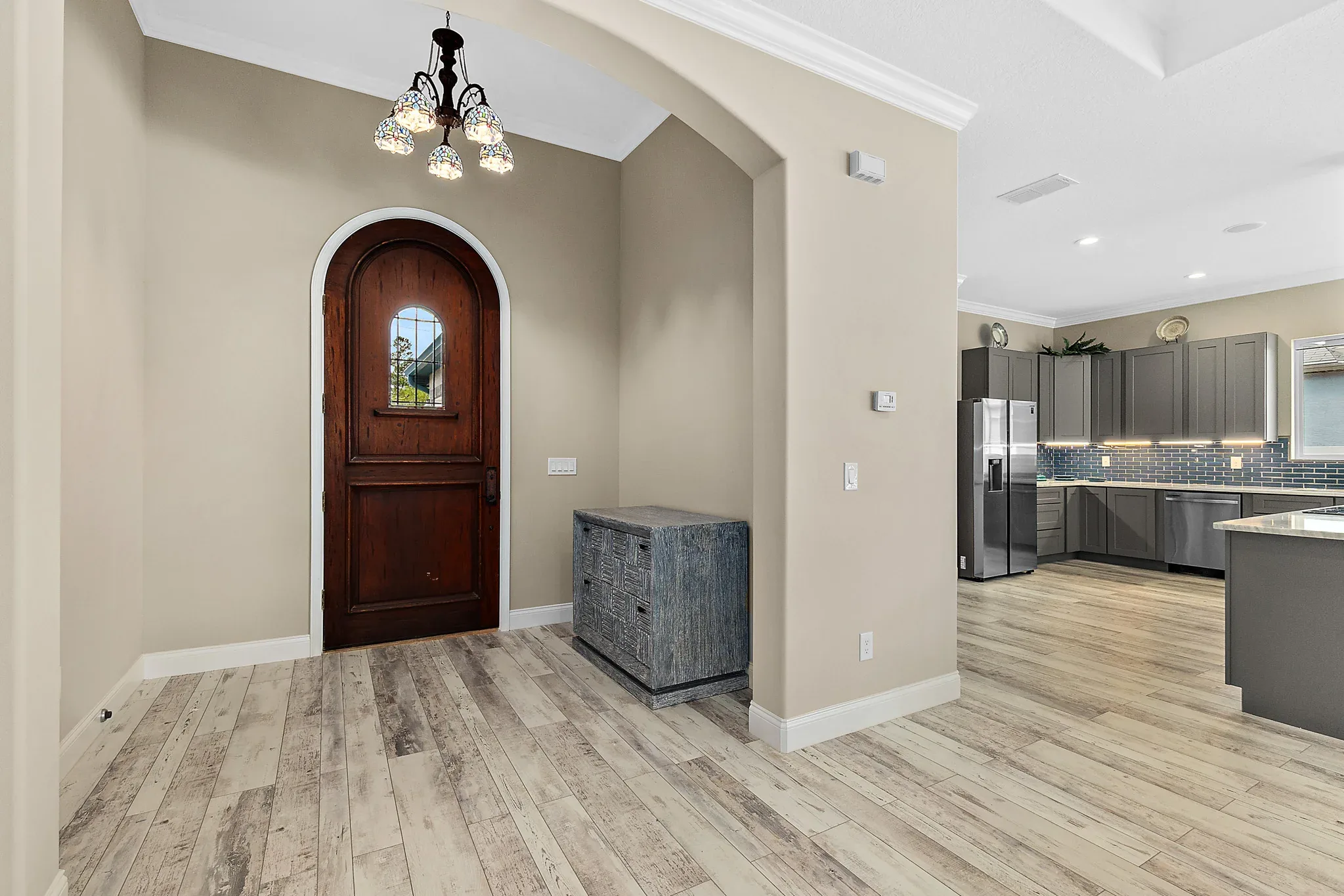
WHEN TO SCHEDULE
After the work is reported complete.
Start coordinating before the expected completion date. Plan the return for when the specified work is reported complete and the relevant areas can be safely accessed.
The original items
Have the earlier report and the specific items you want revisited available. The return needs a clear reference for each location and concern.
Work and visibility
Confirm which items are reported complete and whether the affected work will remain exposed. Work that has been covered may no longer be directly observable.
Permission and operating conditions
Arrange permission and safe access. Where an agreed check needs utilities or normal operation, confirm that the relevant systems will be available.
Relevant dates
Identify any covering, acceptance, closing or report-sharing deadline. Leave time to review the findings rather than relying on a fixed number of days.
Following a pre-drywall inspection?
Coordinate the return before the affected framing or rough work is concealed, where possible. A later visit cannot recreate an open-wall view.
A LIMITED RETURN
The scope starts with the original items.
The earlier report provides the reference. Before the return, the specific items to be revisited are identified and the limited inspection scope is agreed.
Identify the item.
Connect each requested item to its earlier description and location. A general statement that repairs are finished does not define the scope.
Examine the current condition.
Revisit the specified item where it is visible and safely accessible. Any appropriate check depends on the item, available operating conditions and agreed scope.
Document the result and its limits.
Record what can be established on the return visit, what remains unresolved and what could not be verified, with the reason.
The return does not repeat the original whole-home inspection or update the condition of every system. The inspection agreement will define the service-specific scope, exclusions and limitations.
REINSPECTION AT A GLANCE
The home provides context. The reported item sets the focus.
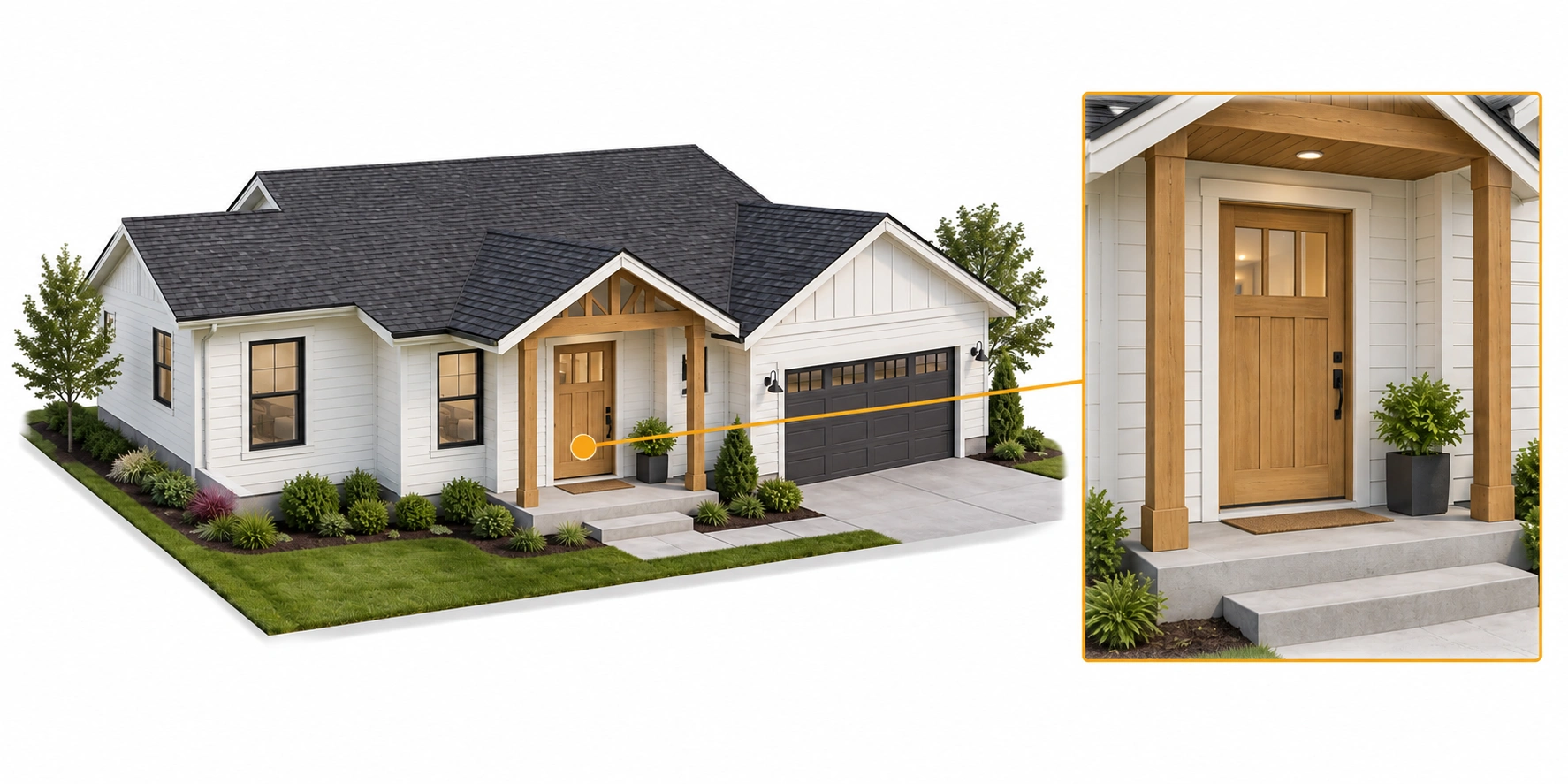
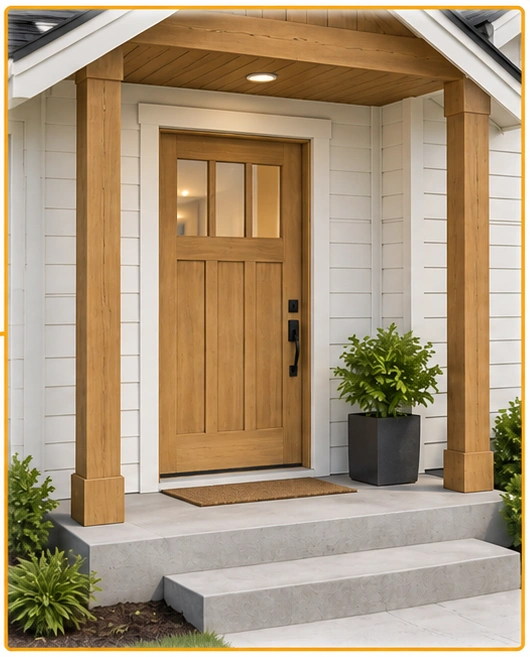
A reinspection returns to agreed items rather than repeating a whole-home assessment. The illustration shows one selected location and a closer view of that same area.
PROPERTY CONTEXT
The earlier report identifies the item and its location.
FOCUSED RETURN
Current visible conditions are examined at the specified location.

PROPERTY CONTEXT
The earlier report identifies the item and its location.
FOCUSED RETURN
Current visible conditions are examined at the specified location.
WHAT VERIFICATION CAN ESTABLISH
When a repair cannot be verified, the report says so.
The return can establish only what the available view and appropriate checks support. A statement that work is complete does not remove those limits.
Work has been covered
New finishes can conceal the area originally reported. A completed surface does not establish the condition of work behind it. Finished materials are not opened to recover that view.
Access or operation is limited
Obstructions, locked areas, unsafe conditions or unavailable utilities may prevent an item from being examined or checked. The limitation and its reason belong in the record.
Work remains incomplete
Visible unfinished work can be documented. An incomplete or unavailable item is not treated as though it were completed and fully evaluated.
Further expertise is needed
Some concerns require evaluation or documentation from a qualified trade or design professional. A limited reinspection does not replace that specialist’s work.
Unable to verify does not mean satisfactory.
Reinspection does not supervise repairs, certify engineering adequacy or code compliance, guarantee workmanship or future performance, or certify completion of the building contract.
HOW WITNESS POINT COMMUNICATES
Findings, documented.
The follow-up report connects current observations to the specified earlier items. It separates what was observed, what that condition means and the appropriate next step.
OBSERVED
What is visible on the return visit.
The item, its location and its current observable condition, including any limits on the observation or check.
WHY IT MATTERS
What the current condition means.
Whether the earlier concern remains observable, appears addressed within the limits of the visit, or cannot be verified.
NEXT STEP
What still needs attention.
Further correction, additional access or specialist evaluation where the current condition calls for it.
Keep the original report and the follow-up together. The later visit does not replace the earlier record or establish the condition of unreviewed parts of the home.
REINSPECTION QUESTIONS
Before you arrange the return.
Answers about timing, previous reports, concealed work and what the follow-up can establish.
When should I arrange a reinspection?
Start coordinating once you know when the specified work is expected to be finished. Plan the return after that work is reported complete, with permission, safe access and any necessary operating conditions in place.
For work that will be covered, coordinate before concealment where possible. Allow time to review the findings before any relevant acceptance, closing or report-sharing deadline.
Is reinspection included in my original inspection?
It is a separately arranged service and is not automatically included in Pre-Drywall or Final Inspection. The items and scope for the return need to be confirmed in advance.
Can you return after a pre-drywall inspection?
Yes. A return may revisit specified framing or rough-system items after work is reported complete, while those items remain visible and accessible. It is not limited to the period after Final Inspection.
A reinspection does not replace Final Inspection once the home is substantially complete.
What if the repair has been covered?
The return can consider what remains visible and accessible, but it cannot recreate the earlier exposed view. Finished materials are not opened to examine concealed work.
The report identifies the limitation rather than treating the concealed work as verified.
Can photographs or invoices verify concealed repairs?
They may provide background, but they are not the same as direct observation on the return visit. A photograph or invoice alone does not make concealed work verified, and a limited reinspection does not certify how that work was performed.
Can you use another inspector’s report or my builder’s list?
This service is designed around specified items from an earlier Witness Point report. A report from another inspector or a builder-only list needs a separate review before the appropriate service and scope can be confirmed.
A list of items does not automatically make the visit a reinspection or a full-home inspection.
Does the follow-up report sign off the repairs or tell me to close?
No. It records the current observable condition of the specified items and the limits of the visit. It does not guarantee workmanship, direct the builder, determine warranty coverage or enforce warranty obligations.
Witness Point does not issue occupancy approval or decide whether you should accept the home or close.
Does Witness Point perform repairs?
No. Witness Point does not perform or offer repairs on homes it inspects. The company is paid to observe, inspect, document, and report, without a repair interest tied to what the inspection finds.
READY TO SCHEDULE?
Know what you are accepting before the decision is final.
If previously reported items are said to be addressed, arrange a focused return to document what can be observed now.